The Mummy: A Bold and Unique Display Font for Creative Expression
In a world where digital content is constantly competing for attention, standing out can be challenging. That’s where The Mummy comes in—a bold and incredibly unique display font that has the power to transform your creative projects. Whether you're designing a website, crafting social media graphics, or creating print materials, The Mummy offers a distinctive visual identity that can elevate your work and make it memorable.
What Is The Mummy?
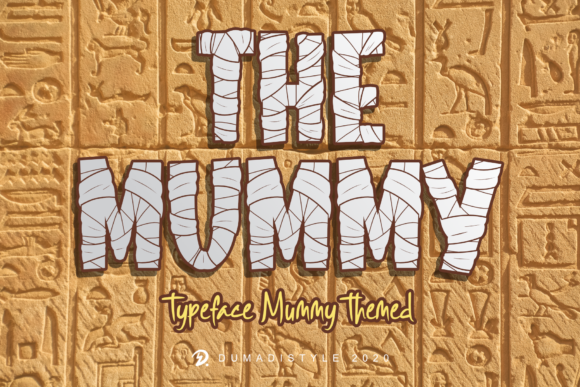
The Mummy is a display font designed with an eye-catching, stylized aesthetic. It features exaggerated serifs and a strong, commanding presence that makes it ideal for headlines, logos, and other prominent text elements. Unlike more traditional fonts, The Mummy brings a sense of drama and intrigue, evoking imagery of ancient relics and mysterious artifacts. This font is not just visually striking—it also carries a narrative quality that can add depth and character to any design.
One of the key characteristics of The Mummy is its versatility. While it may seem like a font best suited for niche or thematic projects, it can actually be adapted to a wide range of creative applications. Its boldness and uniqueness make it stand out, but its structure allows for readability when used appropriately.
When to Use The Mummy
Understanding when to use The Mummy is essential to maximizing its impact. This font is particularly effective in situations where you want to create a strong visual statement or convey a sense of mystery and strength. Here are some common scenarios where The Mummy can be especially useful:
- Branding and Logo Design: The Mummy can serve as a powerful foundation for a brand's visual identity, especially if the brand wants to evoke a sense of history, power, or exclusivity.
- Social Media Graphics: Whether it's for a post, story, or ad, using The Mummy in headlines or titles can draw attention and increase engagement.
- Event Invitations and Promotional Materials: The dramatic flair of The Mummy makes it perfect for invitations, posters, or flyers that need to capture interest quickly.
- Website Headlines and Call-to-Action Buttons: When used sparingly, The Mummy can help emphasize key messages without overwhelming the user.
However, it’s important to remember that The Mummy is a display font, which means it should be used strategically. Overuse can lead to visual clutter and reduce the effectiveness of your message. Always consider the context and purpose of your design before applying this font.
How The Mummy Can Help Address Design Challenges
Designers often face challenges related to visual hierarchy, readability, and differentiation. The Mummy addresses these challenges by offering a bold alternative to standard sans-serif or serif fonts. Its unique style can help break through the noise and create a stronger emotional connection with the audience.
For instance, if you're working on a project that requires a strong visual anchor—such as a product launch or a campaign for a new service—The Mummy can serve as the focal point. It draws the eye and creates a lasting impression, which is crucial in today’s fast-paced digital environment.
Additionally, The Mummy can help differentiate your content from competitors. In a market where many brands use similar fonts, having a unique typographic choice can set you apart and reinforce your brand’s personality.
Practical Applications and Outcomes
Let’s explore how The Mummy can be applied in real-world scenarios and what outcomes you might expect:
Example 1: Branding for a Luxury Fashion Line
A luxury fashion brand looking to create a mysterious and sophisticated image might use The Mummy in their logo and marketing materials. The font’s dramatic appearance aligns with the brand’s ethos, while its boldness reinforces confidence and exclusivity.
Example 2: Social Media Campaigns
For a social media campaign focused on adventure or exploration, The Mummy could be used in headline text or promotional banners. Its unique style captures the essence of discovery and adds an element of intrigue that can drive user interaction.
Example 3: Website Redesign
When redesigning a website, incorporating The Mummy into key sections such as the homepage or call-to-action buttons can help guide users’ attention and improve overall user experience. However, it’s important to balance its use with more readable fonts for body text.
Considerations for Different Users
While The Mummy is versatile, different users may approach its implementation in various ways:
- Graphic Designers: They might use The Mummy as a primary font for logos, posters, or branding materials, ensuring it complements other design elements.
- Content Creators: They may integrate The Mummy into their video thumbnails, captions, or social media posts to enhance visual appeal and engagement.
- Marketers: Marketers can leverage The Mummy to create attention-grabbing headlines or promotional copy that stands out in a crowded digital landscape.
- Web Developers: Developers should ensure proper font loading and fallback options to maintain functionality across all devices and browsers.
Ultimately, the success of The Mummy depends on how well it aligns with the overall design and messaging of the project. It’s a powerful tool, but one that requires thoughtful application.
By understanding the strengths and limitations of The Mummy, designers and creators can harness its potential to craft compelling, visually engaging content that resonates with their audience. Whether you’re building a brand, launching a campaign, or simply enhancing your creative output, The Mummy offers a bold and unique way to make your ideas stand out.