Roughgates: A Bold Font for Impactful Design
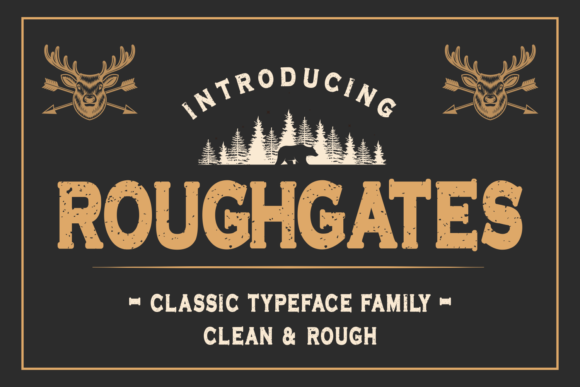
Roughgates is a bold and chunky lettered display font designed to make an immediate visual impact. Its strong, angular lines and pronounced weight give it a distinctive presence that can elevate any design or creative project. Whether you're crafting a brand identity, designing a website, or creating content for print, Roughgates offers a unique way to draw attention and convey confidence through typography.
Understanding the Role of Typography in Design Workflows
In any design process, typography plays a crucial role in shaping the user experience and communication effectiveness. The right font can enhance readability, reinforce brand personality, and guide the viewer's eye through content. For professionals working on branding, marketing materials, or digital assets, choosing the correct font is more than just an aesthetic choice—it’s a strategic decision that affects how information is perceived and remembered.
Roughgates stands out as a display font, which means it’s not intended for long-form text but rather for headlines, titles, and key visual elements. This makes it particularly useful in situations where you want to emphasize certain words or phrases without overwhelming the reader. Its chunky, blocky structure adds a sense of strength and authority, making it ideal for projects that require a bold, confident tone.
Where Does Roughgates Fit Into Your Workflow?
Roughgates can be integrated at various stages of a creative or business workflow, depending on your goals and the context of your project. Here are some common use cases:
- Before a Project: Use Roughgates in concept sketches, mood boards, or presentation slides to quickly communicate ideas with visual clarity and impact.
- During a Task: Apply it to headers, labels, or call-to-action buttons in web or app interfaces to guide users and highlight important information.
- After a Decision: Incorporate it into final designs, logos, or promotional materials to ensure your message is seen and remembered.
Its versatility allows it to work well with both digital and print media, making it a valuable asset for designers, marketers, and entrepreneurs looking to create visually compelling content.
How Roughgates Interacts With Other Tools and Resources
Roughgates is not meant to be used in isolation. It works best when paired with other design elements, such as color schemes, imagery, and layout structures. When selecting fonts for a project, consider how Roughgates will complement or contrast with other typefaces to maintain balance and hierarchy.
For instance, pairing Roughgates with a clean, sans-serif font like Helvetica or Montserrat can create a striking contrast that draws the eye while maintaining readability. This combination is especially effective in branding materials where you want to highlight a logo or tagline while keeping the rest of the text easy to read.
Additionally, Roughgates can be used alongside graphic design tools like Adobe Illustrator, Photoshop, or Canva. These platforms offer font customization options, allowing you to adjust spacing, kerning, and alignment to fit your design needs precisely.
Practical Implementation Tips
When implementing Roughgates into your workflow, keep the following tips in mind:
- Use it sparingly: Because of its bold nature, overusing Roughgates can lead to visual fatigue or dilute its impact. Save it for key elements like headers, logos, or emphasis points.
- Test across devices: Ensure that the font renders consistently on different screens and platforms to avoid unexpected formatting issues.
- Consider accessibility: While Roughgates is visually striking, it may not be the most readable for all audiences. Always provide alternatives or fallback fonts for those who need it.
- Optimize for performance: If using Roughgates on a website, choose a web-safe version or a lightweight format to reduce load times and improve user experience.
By following these guidelines, you can ensure that Roughgates enhances your design without compromising usability or efficiency.
Real-World Examples of Using Roughgates
Roughgates has found a place in a variety of real-world applications, from small business branding to large-scale marketing campaigns. Here are a few examples:
- Brand Identity: A local coffee shop might use Roughgates in its logo and signage to reflect a modern, energetic vibe.
- Marketing Materials: A fitness coach could incorporate Roughgates into workout posters or social media graphics to grab attention and convey motivation.
- Website Headers: A startup might use Roughgates for its homepage headline to immediately capture the visitor's interest and communicate its mission clearly.
- Print Publications: A magazine or newsletter could feature Roughgates in its cover design or section headers to add visual distinction and style.
These examples illustrate how Roughgates can be adapted to suit different industries and purposes, making it a flexible choice for designers and creators.
Long-Term Considerations and Integration
When integrating Roughgates into your long-term workflow, consider factors like consistency, scalability, and adaptability. While the font is powerful, it should align with your overall design philosophy and brand voice.
Consistency is key when using any font, especially one as bold as Roughgates. Ensure that it complements other design elements and doesn’t disrupt the visual flow of your content. Scalability is also important—whether you’re working on a single project or building a brand, Roughgates should remain relevant and effective across different formats and mediums.
Finally, always be open to feedback and iteration. As your design needs evolve, so too should your approach to typography. Regularly reviewing how Roughgates performs in your workflow can help you refine its use and maximize its benefits.
Roughgates is more than just a font—it’s a tool for making an impression, conveying confidence, and enhancing the visual impact of your work. By understanding its strengths and limitations, and by integrating it thoughtfully into your design process, you can unlock new levels of creativity and effectiveness in your projects.