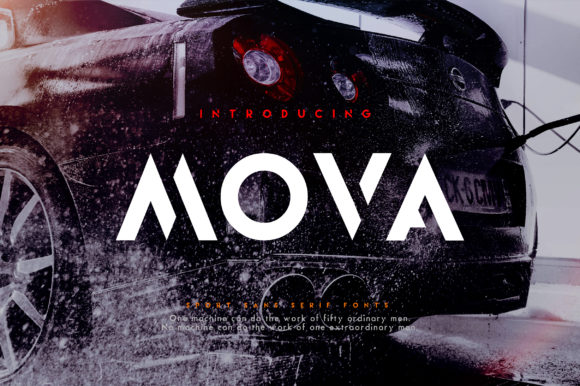
Mova: A Versatile Display Font for Creative and Professional Workflows
Mova is more than just a font—it’s a design tool that can elevate the visual impact of your work without compromising clarity or usability. As a display font, Mova is crafted to stand out, offering a balance between elegance and approachability. Whether you're designing a website, creating marketing materials, or working on a creative project, Mova has the potential to enhance your message and make your content more engaging.
Understanding Mova’s Role in Design and Workflow
In the world of typography, display fonts like Mova are often used to grab attention or highlight key elements. However, their value extends beyond aesthetics. Mova is designed with readability in mind, making it suitable for both digital and print formats. Its clean lines and modern structure allow it to integrate seamlessly into various workflows, from branding to user interface design.
For professionals who rely on clear communication, Mova offers a reliable option that maintains legibility even at smaller sizes. This makes it particularly useful in scenarios where text needs to be both visually striking and easy to read. Whether you're crafting a presentation, writing a blog post, or developing a product launch campaign, Mova can help ensure your message is delivered effectively.
Where Does Mova Fit in the Creative Process?
Mova is versatile enough to be used at different stages of a project. Before a project begins, it can serve as a visual anchor, helping to define the tone and style of the work. During development, it can guide design choices and maintain consistency across platforms. After the project is complete, Mova can be used for final touches, such as headlines, call-to-action buttons, or branding elements.
One of the strengths of Mova is its adaptability. It works well with both minimalistic and bold design approaches, allowing it to fit into a wide range of creative processes. For example, a designer might use Mova to create a logo that reflects a brand’s personality, while a marketer could use it to craft eye-catching social media posts that align with their audience’s preferences.
Integrating Mova Into Your Workflow
Whether you're a freelancer, an entrepreneur, or part of a larger team, integrating Mova into your workflow requires thoughtful planning. The first step is to assess how the font will be used within your specific context. Will it be used primarily for headings, body text, or decorative purposes? Understanding this helps determine which version of Mova is most appropriate.
Next, consider compatibility. Mova is available in multiple formats, including web fonts and downloadable files, ensuring it can be used across different platforms and devices. This flexibility is especially valuable for users who need to work on both desktop and mobile environments. Additionally, Mova supports a wide range of languages, making it a great choice for international projects or multilingual content creation.
When implementing Mova, it’s also important to think about organization. Keeping track of font usage, version control, and licensing agreements ensures that your workflow remains efficient and compliant. Tools like Google Fonts or Adobe Fonts provide easy access to Mova and help manage its integration into your design process.
Practical Use Cases for Mova
Mova’s versatility makes it ideal for a variety of applications. Here are a few examples of how it can be used in real-world scenarios:
- Branding Projects: Mova can be used to create logos, taglines, and promotional materials that reflect a brand’s identity and values.
- Marketing Campaigns: Its bold and modern appearance makes it perfect for headlines, banners, and social media graphics that need to stand out.
- Content Creation: Bloggers, educators, and content creators can use Mova to add visual interest to their posts, slideshows, or infographics.
- User Interface Design: Mova can be incorporated into web and app designs to improve readability and enhance the overall user experience.
- Print Materials: From brochures to invitations, Mova provides a professional yet approachable look that works well in both digital and physical formats.
These use cases demonstrate how Mova can be integrated into different aspects of a workflow, whether it’s for personal projects or collaborative efforts. By choosing the right application for Mova, users can maximize its impact while maintaining consistency and quality.
Best Practices for Using Mova Effectively
To get the most out of Mova, it’s essential to follow some best practices that support both usability and efficiency. One key consideration is preparation. Before using Mova in a project, take the time to understand its characteristics and limitations. For instance, while Mova is highly readable, it may not be the best choice for long-form text due to its stylized nature.
Another important factor is consistency. When using Mova alongside other fonts, it’s crucial to maintain a cohesive typographic system. This includes selecting complementary fonts for body text and ensuring that all design elements align with the overall aesthetic of the project.
Usability should also be a priority. Always test Mova in different contexts to ensure it performs well across various mediums and screen sizes. This helps prevent issues such as poor legibility or formatting inconsistencies that could detract from the user experience.
Finally, consider long-term use. If you’re planning to use Mova in ongoing projects or across multiple platforms, it’s worth investing in a license that allows for extended use. This ensures that you can continue leveraging its benefits without encountering legal or technical barriers.
How Mova Enhances Productivity and Creativity
For professionals who value both productivity and creativity, Mova offers a unique combination of functionality and aesthetics. Its clean design allows for quick decision-making during the creative process, while its visual appeal helps keep projects engaging and dynamic.
Additionally, Mova supports a wide range of tools and platforms, making it easy to incorporate into existing workflows. Whether you're using design software like Adobe Illustrator or working with content management systems like WordPress, Mova integrates smoothly and enhances the overall quality of your output.
By choosing Mova, users can streamline their design process, reduce the time spent on typography decisions, and focus more on the core aspects of their work. This makes it an invaluable asset for anyone looking to improve both the efficiency and effectiveness of their creative output.