Jolly Rainbow: A Strategic Tool for Creative Expression and Branding
When it comes to visual communication, the right font can make all the difference. Jolly Rainbow is more than just a colorful display font—it’s a strategic asset that can elevate your creative projects, enhance brand identity, and support your communication goals. Designed with a friendly, playful aesthetic, Jolly Rainbow offers versatility that aligns with a wide range of use cases. Whether you're crafting marketing materials, designing educational content, or building a personal brand, understanding how to leverage Jolly Rainbow intentionally can help you achieve better results.
The Strategic Value of Jolly Rainbow
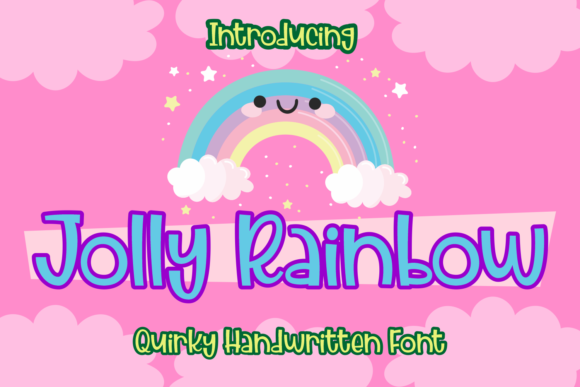
Fonts are often overlooked in the decision-making process, yet they play a critical role in shaping perception and engagement. Jolly Rainbow stands out because it combines visual appeal with functional adaptability. Its quirky, rainbow-colored design adds an element of joy and approachability, making it ideal for audiences who value creativity and personality.
From a strategic standpoint, Jolly Rainbow can be used to reinforce brand personality, communicate tone, and create memorable experiences. For instance, if you’re launching a new product aimed at younger demographics, using Jolly Rainbow in promotional materials can signal fun, innovation, and accessibility. Similarly, educators might find it useful for creating visually engaging lesson plans or interactive learning tools that capture students’ attention.
However, the strategic value of Jolly Rainbow isn’t limited to aesthetics. It also supports clarity and readability when used appropriately. While it may appear bold and vibrant, its structure allows for legibility in many contexts—especially when paired with contrasting colors or backgrounds. This balance between style and function makes it a practical choice for both digital and print media.
When to Use Jolly Rainbow
Knowing when to use Jolly Rainbow is just as important as knowing how to use it. Here are some key scenarios where this font shines:
- Branding and Marketing: For businesses targeting creative, youthful, or community-oriented audiences, Jolly Rainbow can help establish a unique brand voice that feels authentic and relatable.
- Education and Learning: In classrooms or online courses, Jolly Rainbow can be used to highlight key concepts, create infographics, or design interactive content that keeps learners engaged.
- Event Planning and Invitations: Whether it's a birthday party, workshop, or pop-up event, Jolly Rainbow can add a touch of whimsy and charm to invitations and promotional materials.
- Personal Projects and Blogs: Creators who want to stand out in a crowded digital space can use Jolly Rainbow to differentiate their content while maintaining a cohesive visual identity.
- Product Packaging and Design: For small businesses or startups, incorporating Jolly Rainbow into packaging or branding elements can help products feel more approachable and distinctive.
Each of these use cases demonstrates how Jolly Rainbow can serve as a tool for strategic communication. By aligning the font with your target audience and project goals, you can ensure that it enhances rather than detracts from your message.
How to Approach Jolly Rainbow Intentionally
Using Jolly Rainbow effectively requires thoughtful planning and consideration. Here are some practical tips to guide your approach:
- Define Your Purpose: Before applying Jolly Rainbow, ask yourself what goal you’re trying to achieve. Is it to attract attention, build trust, or foster connection? The font should support that objective.
- Consider Context and Audience: Think about who will see your content and where it will be used. Jolly Rainbow works best in environments where color and playfulness are welcomed.
- Balance with Other Elements: While Jolly Rainbow is eye-catching, it should not overshadow other design elements. Use it strategically to highlight key text, such as headlines or calls to action.
- Test Across Platforms: Ensure that the font looks good on different devices and screen sizes. Sometimes, vibrant colors may not render as intended in certain formats or resolutions.
- Stay Consistent: If you're using Jolly Rainbow as part of a broader design system, maintain consistency across all materials to reinforce brand recognition.
By following these steps, you can avoid common pitfalls and ensure that Jolly Rainbow contributes meaningfully to your overall strategy.
Potential Risks of Misuse
While Jolly Rainbow has clear advantages, there are risks associated with using it without clear goals or context. One major concern is overuse. Applying the font too broadly or in inappropriate settings can dilute its impact and make your messaging seem unprofessional or inconsistent.
Another risk is misalignment with brand values. If your business or project emphasizes professionalism, seriousness, or minimalism, Jolly Rainbow may not be the best fit. Using it in such contexts could confuse your audience or undermine your brand’s credibility.
Additionally, relying solely on Jolly Rainbow without considering other design elements can lead to a lack of depth in your visual communication. A well-rounded design strategy should include typography, color, layout, and imagery working together to convey a cohesive message.
Long-Term Value and Strategic Integration
For those looking to maximize the long-term value of Jolly Rainbow, consider integrating it into your broader communication strategy. This font can be a powerful tool for storytelling, especially in industries where creativity and emotional connection are key—such as fashion, entertainment, or wellness.
One effective way to use Jolly Rainbow long-term is to pair it with consistent visual themes. For example, if you’re creating a series of social media posts, using the same color palette and layout style with Jolly Rainbow can help build a recognizable brand presence over time.
Moreover, Jolly Rainbow can support continuous learning and development. When used in educational content or training materials, it can help reinforce key messages through visual reinforcement. This makes it particularly valuable for creators who are focused on knowledge sharing or skill-building.
Ultimately, the strategic integration of Jolly Rainbow depends on how well it aligns with your specific goals, audience, and brand identity. When used thoughtfully, it can become a meaningful part of your creative toolkit.
Conclusion
Jolly Rainbow is more than just a decorative font—it’s a strategic resource that can enhance communication, support branding, and drive engagement. By understanding its strengths and limitations, you can use it to achieve better outcomes in your creative and professional endeavors.